Why Worcester properties need a concrete contractor who understands local conditions
Worcester is Massachusetts' second-largest city and one of its snowiest. Averaging 60 to 65 inches of snow per year, Worcester gets significantly more precipitation than Boston and much of eastern Massachusetts, and its inland elevation means temperatures stay colder longer in winter. This combination drives more freeze-thaw cycles through the season, and each cycle puts pressure on every concrete surface on the property: driveways, steps, walkways, and foundation walls. Concrete that holds up in a Cambridge winter can fail sooner in Worcester simply because the weather is harder here.
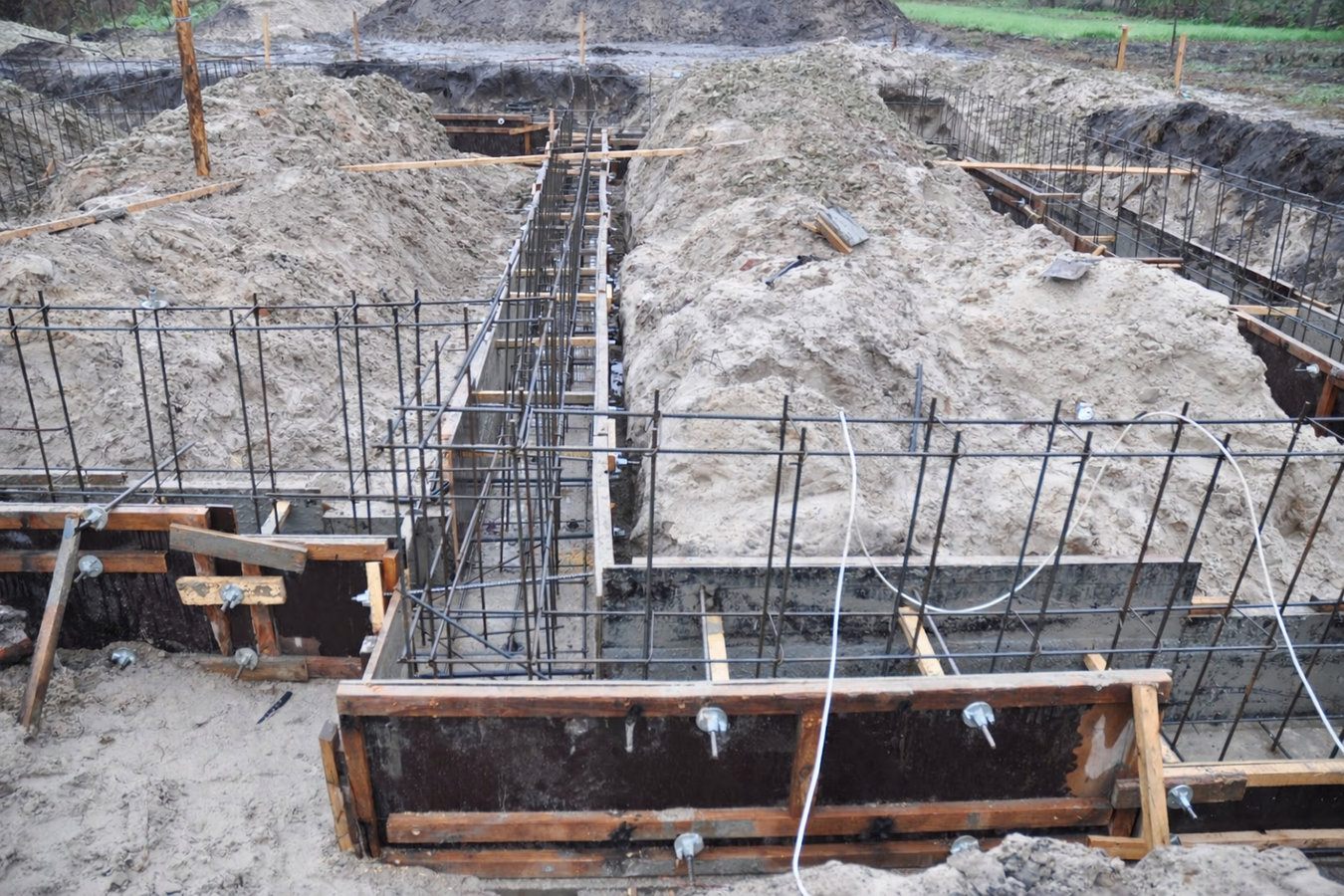
More than half of Worcester's housing units were built before 1940, and a large share of those are two- and three-family triple-deckers concentrated in neighborhoods like Main South, Grafton Hill, and Vernon Hill. These buildings were constructed quickly as worker housing, often with footings shallower than what Massachusetts now requires, basement slabs poured on uncompacted fill, and exterior flatwork installed without the sub-base depth needed to survive 80 or more New England winters. A contractor working in Worcester regularly needs to assess what was actually built versus what the drawings may show, because the gap between the two can be significant on a pre-war home.
Worcester's hilly terrain adds a third layer of complexity. Many residential streets run up significant grades, and hillside lots channel snowmelt and rain runoff toward foundations, driveways, and retaining walls that were not designed with that load in mind. Properly pitched flatwork, drainage provisions behind retaining walls, and footings designed to handle lateral soil pressure on sloped lots are not optional in Worcester, they are the baseline for work that holds up past the first few winters.