Decorative concrete
Upgrade a plain garage slab with a polished, stained, or epoxy-coated finish that transforms the space.
Learn moreServing Cambridge, MA and surrounding areas. (617) 613-7966
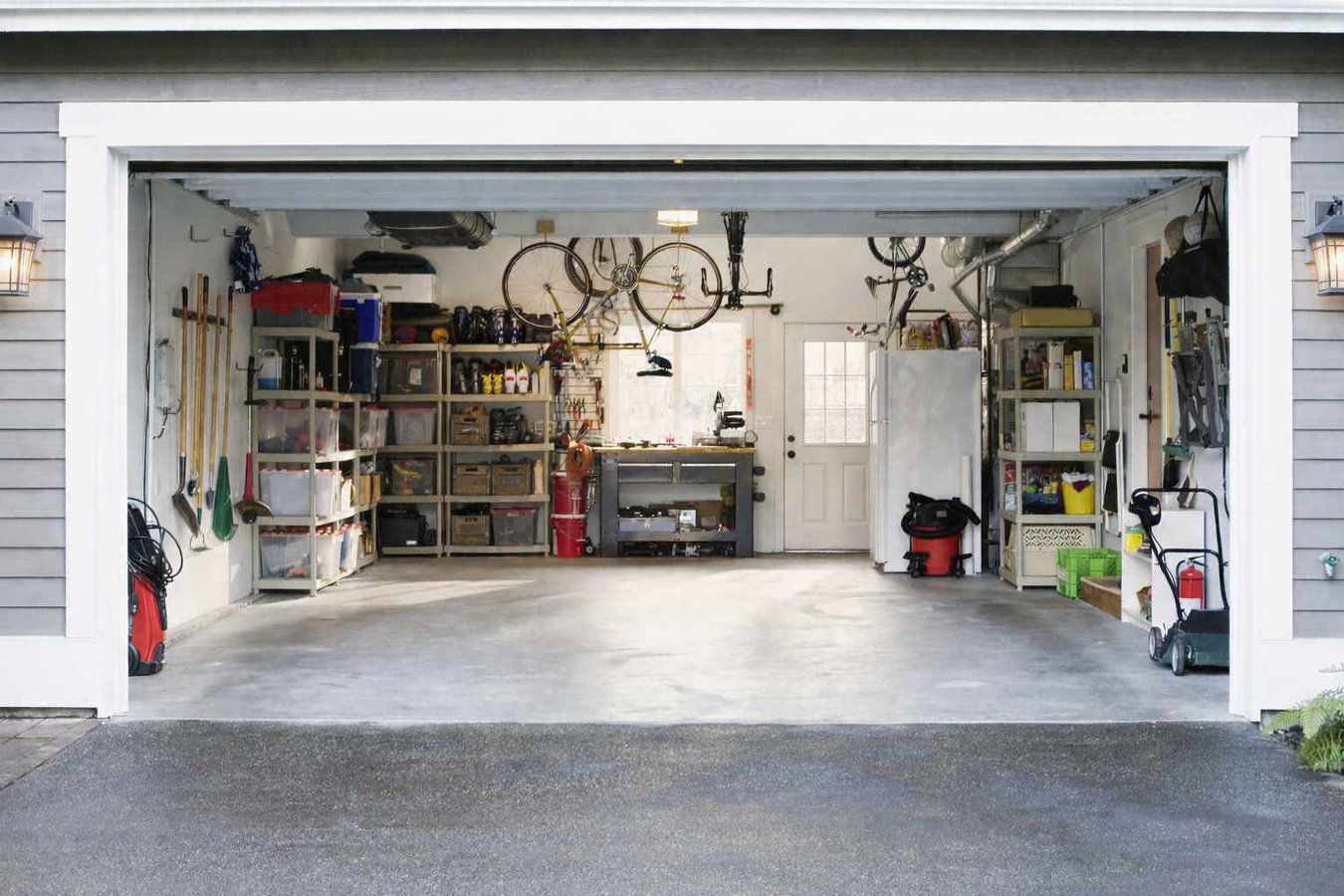
Cracked, flaking, or uneven garage floor? We pour properly reinforced concrete slabs built for Cambridge freeze-thaw winters, with written estimates and no surprises.
Garage floor concrete in Cambridge, MA means removing the existing slab, compacting the subbase, placing reinforcement, and pouring fresh concrete - most residential two-car garages are completed in one to two days, with a curing period of around a week before you can park on it.
Cambridge homeowners deal with two specific conditions that make this job harder than a suburban garage floor: freeze-thaw cycles that stress concrete through every winter, and road salt tracked in from city streets that corrodes surfaces not sealed for New England conditions. The concrete mix, the reinforcement, and the sealer all matter here in ways they simply do not in warmer, drier climates.
If your garage is part of a broader project, many Cambridge homeowners add decorative concrete finishes to their new slab at the same time, turning a purely functional pour into a space that is also easier to clean and better looking.
Small hairline cracks are common in aging concrete and are not always urgent. But cracks wider than the thickness of a nickel, or cracks that seem longer each year, mean something is failing underneath. In Cambridge, freeze-thaw cycles accelerate this process - what starts as a minor crack can become a structural problem faster than homeowners expect.
If the top layer of your garage floor is peeling away in chips or the surface looks rough and pitted rather than smooth, that is salt and moisture damage at work. Road salt tracked in on tires is extremely common in Cambridge garages from November through March, and once flaking starts it tends to accelerate. Patching rarely holds for long once the process is underway.
If part of your garage floor feels noticeably higher or lower than another section, or a visible slope has appeared where the floor used to be flat, the ground underneath has shifted. Uneven floors can prevent garage doors from closing properly and cause water to pool in low spots. In Cambridge's older neighborhoods, soil settlement under aging slabs is a common culprit.
A correctly installed garage floor is slightly sloped toward the door so water drains out. Puddles after rain or after snow melts off a car mean the slab has settled or was never graded right. Standing water accelerates concrete deterioration and can signal drainage problems that a new floor installation can fix at the same time.
Cambridge Concrete handles full garage floor replacements from start to finish: demolition of the existing slab, proper subbase preparation, reinforcement placement, and the pour itself. Every floor is specified with a concrete mix appropriate for Massachusetts freeze-thaw conditions, and we discuss sealing options during the estimate visit so there are no decisions left for the last minute.
For homeowners who want more than a plain gray slab, we offer finishes that work over a garage floor - including stained and sealed surfaces that resist oil and are far easier to clean. If you are also thinking about your basement or utility space, our concrete floor installation service handles those pours with the same attention to subbase preparation and reinforcement.
Homeowners who want a finished look on top of the structural concrete can also explore our decorative concrete options - polished, stained, or epoxy-coated finishes that turn a utility space into something you actually enjoy walking into.
Full demolition and replacement of an existing garage slab - the most common project, suited to any garage in any condition.
Fresh slab for a new garage or addition, with subbase prep and reinforcement specified for the site and load requirements.
A standard pour plus an applied sealer or epoxy coating - ideal for homeowners who want a garage that is easy to clean and resistant to salt and oil.
Cambridge averages more than 90 days per year where temperatures swing above and below freezing, according to historical climate data for the Boston metro area. That repeated stress is the main reason Cambridge garage floors fail faster than floors in warmer regions. It also means the concrete mix and curing process need to be suited to this specific climate, not just poured to a generic national standard. A contractor who has worked in Cambridge before knows this and accounts for it upfront.
The city's housing stock adds another layer of complexity. A large share of Cambridge's residential buildings date from the late 1800s through the mid-1900s, and many garages were built for vehicles far lighter than today's cars and SUVs. Older slabs may be thinner than current standards and may lack reinforcement. In East Cambridge, Cambridgeport, and Mid-Cambridge, accessing the garage through a narrow alley or shared easement is common, which affects how equipment and concrete trucks can be positioned. Cambridge Concrete has worked in these conditions and plans jobs around them. For a review of local permit requirements, the Cambridge Inspectional Services Department is the city office that oversees this process.
We serve garages throughout Cambridge and regularly work in nearby Somerville, Boston, and Newton as well, where many of the same freeze-thaw and urban-lot conditions apply.
We respond within 1 business day. A reputable contractor will not quote a garage floor without seeing it in person - we schedule a site visit, check dimensions and site access, and give you a written, itemized estimate.
We confirm with Cambridge Inspectional Services whether a permit is needed for your specific project and handle any required paperwork. We then agree on a start date - concrete work in New England is weather-dependent, so very cold days may require rescheduling.
The crew removes the old slab, hauls away debris, and compacts and levels the subbase. This prep work is what separates a floor that lasts from one that cracks in five years - we do not rush it.
Concrete is poured, reinforced, and finished. After curing, we walk through the completed floor with you and review care instructions, including when to apply sealer and how long to keep vehicles off the surface.
Free written estimate - we visit your garage in person before quoting anything. No pressure, no obligation.
(617) 613-7966Cambridge Concrete carries full liability insurance and holds Massachusetts contractor credentials on every job. Your garage and property are protected from the first day on site.
Every estimate is based on a real site visit to your Cambridge garage. We break out labor, materials, and disposal separately so you know exactly what you are paying for - no surprise line items after you have said yes.
We use concrete mixes and sealers suited to Massachusetts freeze-thaw conditions, not generic national specs. This is the single biggest factor in whether your new floor still looks right after ten New England winters.
We have worked in Cambridge's narrow driveways, shared alleys, and dense residential neighborhoods. A crew that plans logistics before arriving avoids damage to your property and problems with neighbors.
The Massachusetts Home Improvement Contractor program requires residential contractors to be registered with the state, and you can verify any contractor's status online before hiring. Cambridge Concrete meets all state requirements, carries liability insurance on every project, and works only with crews experienced in Cambridge's specific conditions. When you call us, you get a straight answer about what your garage floor needs - and a written estimate that reflects the actual cost of the job.
Upgrade a plain garage slab with a polished, stained, or epoxy-coated finish that transforms the space.
Learn moreInterior concrete floors for basements and living spaces, poured and finished to the same standard as our garage work.
Learn moreConcrete season in New England is short - book now to get on the schedule before the fall rush fills up.