Concrete footings
Underground concrete footings for structures adjacent to your parking surface or new construction on the same site.
Learn moreServing Cambridge, MA and surrounding areas. (617) 613-7966
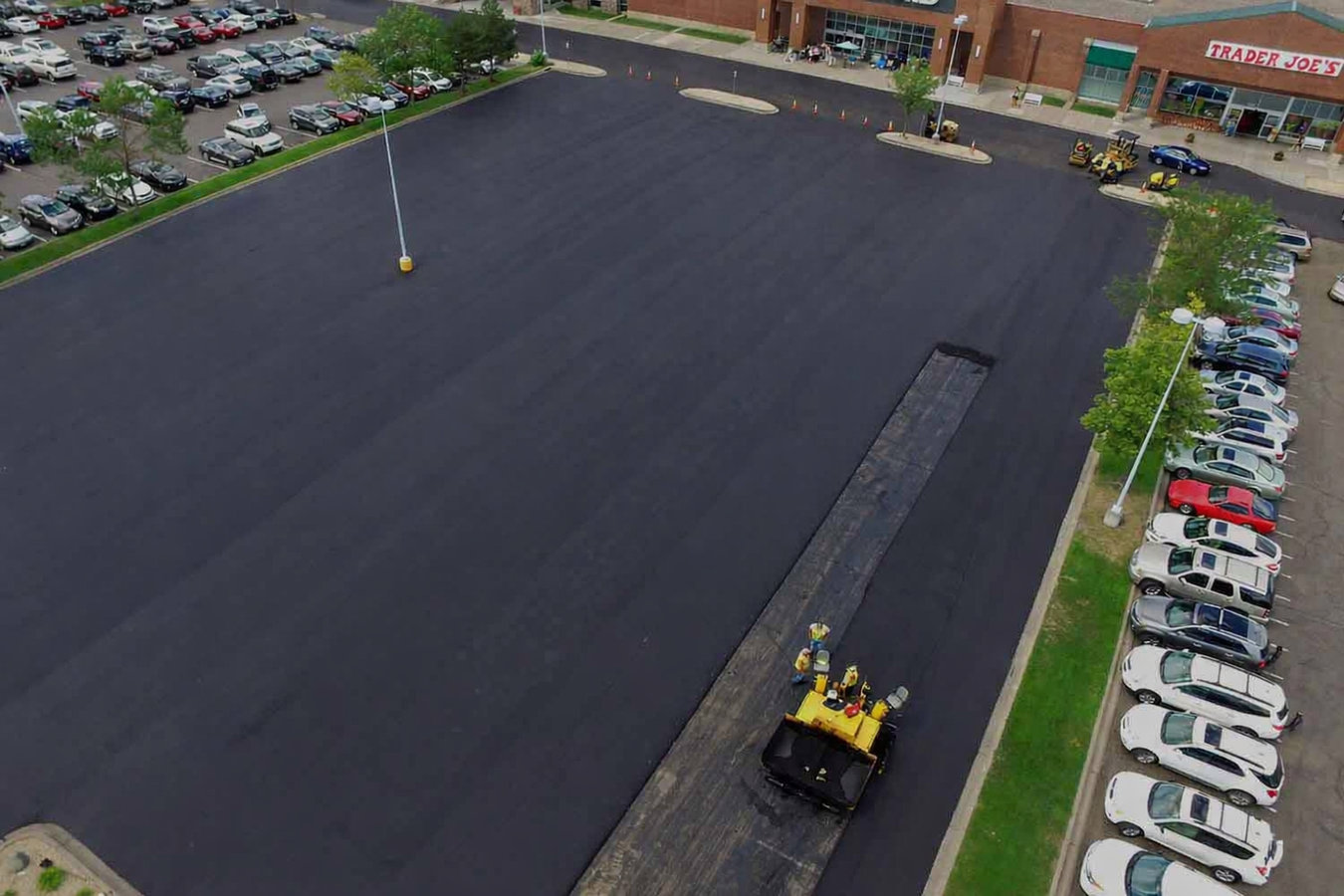
Tired of patching cracked asphalt every spring? We build concrete parking lots on Cambridge's dense urban lots - properly based, correctly drained, and built to handle Massachusetts winters.
Concrete parking lot building in Cambridge, MA covers demolition of the existing surface, compacted base preparation, concrete forming and pouring, joint cutting, and city-permitted closeout - most small lots take three to five days of active work plus four weeks of curing before vehicles can use the surface.
Cambridge adds specific complexity that suburban parking lot projects rarely face: dense streets require street-use permits to stage concrete trucks, older properties often have fill soil or buried debris that changes base costs, and the city's stormwater rules can affect how the lot must drain. A contractor without local experience will encounter these conditions unprepared.
Parking lot work often connects to adjacent concrete projects. If your site also needs underground support for a structure, our concrete footings service handles the sub-surface work. For properties where the lot connects to a private driveway, see our concrete driveway building page for how those two surfaces can be built as one connected project.
If the surface shows cracks running in multiple directions, areas where the ground has pushed up, or low spots where water collects after rain, the pavement has likely failed structurally. Patching individual spots at this stage rarely solves the underlying problem and costs more over time than a proper replacement.
If you have been patching the same asphalt surface every spring for several years, Cambridge winters are winning. The repeated freezing and thawing from December through March accelerates asphalt breakdown specifically. At some point, the math tips toward switching to a surface that handles those cycles better.
Unpaved parking areas in Cambridge tend to develop ruts, mud patches, and spring drainage problems over time. If your surface has reached the point where vehicles are getting stuck or the area is difficult to walk across, maintenance will not fix it. A new concrete surface starts from a properly prepared base.
Many older Cambridge properties have paved areas installed before modern drainage standards, and they sit flat or slope toward the building rather than away from it. Standing water accelerates surface wear and creates ice hazards in winter. A new lot can be built with the correct slope and drainage designed in from the start.
Cambridge Concrete builds new concrete parking lots and replaces failing asphalt and gravel surfaces for residential multi-unit properties and small commercial sites across Cambridge and surrounding communities. Every project starts with an in-person site visit - we check what is beneath the existing surface, assess equipment access routes, and review drainage before we commit to a price in writing.
When your site involves both a parking surface and underground structural work, we coordinate the two scopes on a single mobilization. Our concrete footings service handles any below-grade work required for perimeter structures or drainage features. For properties where the parking area flows into a private entrance, our concrete driveway building service ensures the two surfaces are designed and poured consistently. Doing both in one visit saves mobilization cost and keeps surface grades consistent across the property.
Permits are pulled before any equipment arrives on site. The Cambridge Inspectional Services Department requires permits for new paving work, and we handle the application, inspector coordination, and final documentation. Cambridge's stormwater management requirements are factored into the drainage design from the start of every project, not addressed after the pour.
Best for properties replacing gravel, dirt, or failed asphalt with a long-lasting concrete surface.
Best for sites with existing water pooling or Cambridge stormwater compliance requirements.
Best when the parking lot connects to driveways, footings, or other concrete work on the same property.
Cambridge is one of the most densely developed cities in Massachusetts, and that density shows up immediately on a parking lot project. Narrow streets and tight lot lines mean getting a concrete truck into position often requires a city street-use permit and sometimes a pump truck to move concrete from the street to the pour site. These are not rare edge cases in Cambridge - they are common logistics that experienced local contractors plan for from the estimate stage.
Cambridge's older building stock - much of it developed before 1940 - means the soil beneath older parking areas often contains fill material, buried masonry, or debris from previous structures. A contractor who skips the site investigation and quotes over the phone is often the one who hits unexpected conditions mid-project and asks for more money. Cambridge winters compound the challenge: the ground freezes to roughly 48 inches in a hard winter, meaning both the base preparation and the joint pattern in the finished slab need to account for that depth of movement.
We serve property owners across Cambridge and the surrounding area. Homeowners in Somerville and Boston face similar dense-lot access conditions, and in Quincy we regularly handle parking surfaces at multi-unit residential properties. The permit process, soil conditions, and drainage standards are similar enough that our Cambridge experience transfers directly.
We respond within 1 business day. Any quote given without a site visit is a rough ballpark, not a real number. We look at the existing surface, check equipment access, and assess drainage needs before we give you a price in writing.
We apply for the required Cambridge Inspectional Services Department permit on your behalf. This typically adds a few weeks before work can begin - build that into your schedule, especially if you are hoping to finish before summer ends.
The crew removes the existing surface, excavates to stable ground, and builds up a compacted gravel base. This phase is loud and generates debris - plan for a dumpster or haul-away truck on site. The base work is what determines whether the finished lot lasts 30 years or cracks in five.
On pour day, the crew works quickly to place, spread, and finish the concrete before it sets. In Cambridge's tight streets, staging the truck may require a city street-use permit, which we arrange. After curing - four weeks before vehicles - we walk the finished lot with you and explain joint placement and winter maintenance.
We handle permits, drainage design, and site access logistics - just call or submit the form and we will get back to you within 1 business day.
(617) 613-7966Cambridge's stormwater requirements and its high annual rainfall mean a flat lot or one that slopes toward a building creates problems within a season. Every lot we build is designed with drainage slope from the start, not corrected at the end.
We handle the Cambridge Inspectional Services Department permit process on your behalf, including coordination with city inspectors at each required stage. You receive documentation at closeout - which matters if you ever sell the property or file an insurance claim.
Getting a concrete truck into position in Cambridge's tight neighborhoods often requires street-use permits, pump trucks, and neighbor coordination. We have navigated these logistics on Cambridge lots since 2022 and plan for them upfront, not after the truck arrives.
Cambridge's ground freezes to roughly 48 inches in a hard winter. Contraction joints cut into the slab give the concrete room to move with those temperature swings without cracking randomly. Every lot we build gets joints placed at the right intervals for Cambridge's climate - not skipped to save time.
Cambridge parking lot projects require more planning than a typical suburban pour - permits, access logistics, drainage compliance, and soil conditions all have to be worked out before equipment arrives. We have handled these specifics on Cambridge properties since 2022, and we put them in writing before the project starts so there are no surprises once work is underway.
Underground concrete footings for structures adjacent to your parking surface or new construction on the same site.
Learn moreResidential concrete driveway construction when your parking area connects directly to a private drive.
Learn moreSpring and summer build slots fill quickly - reach out now to lock in your project before the good-weather window closes.