Concrete pool decks
Outdoor concrete surfaces that need the same level of prep and finish care as any interior floor installation.
Learn moreServing Cambridge, MA and surrounding areas. (617) 613-7966
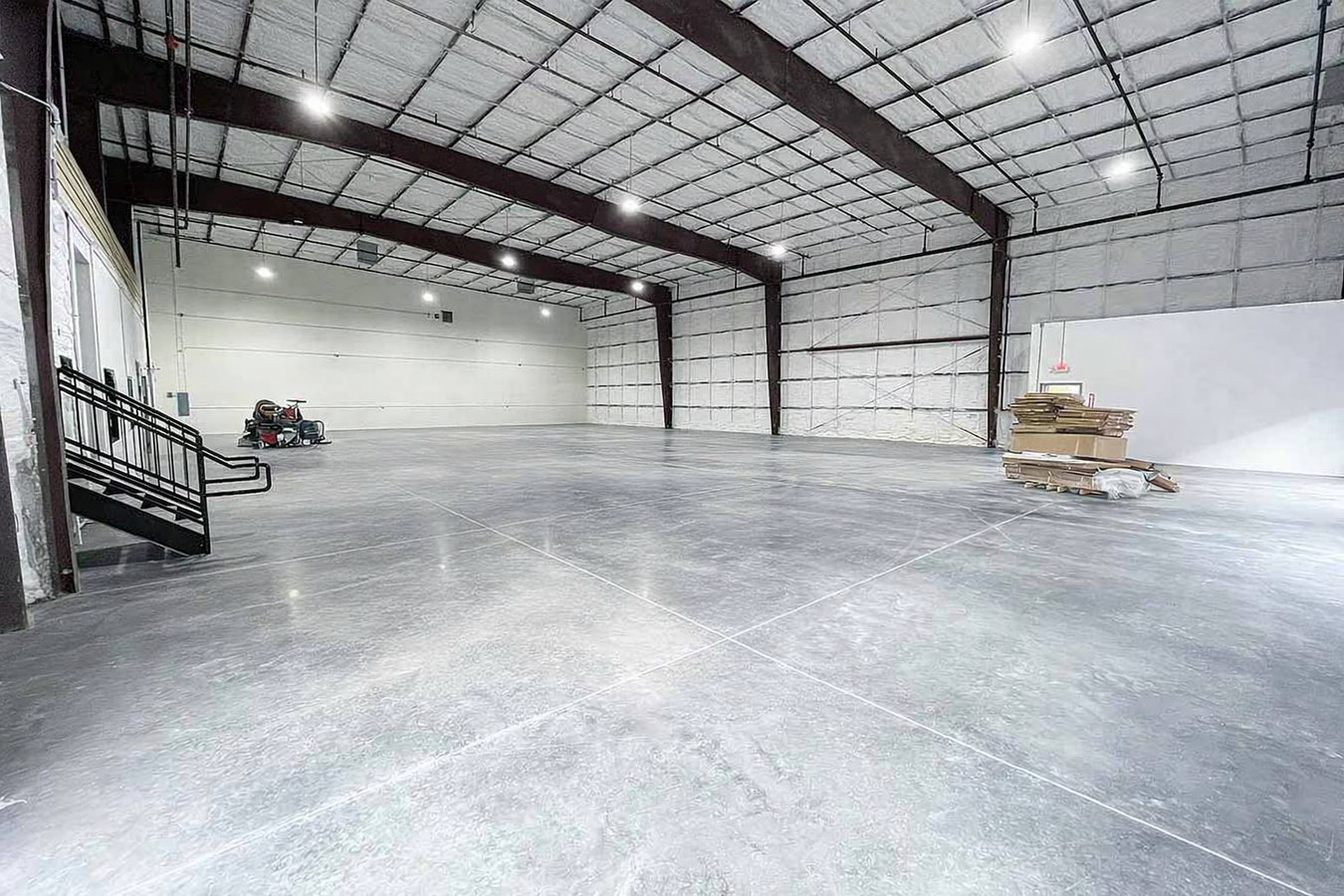
Cracked, crumbling, or uneven basement floor holding back a renovation? We install concrete floors in Cambridge homes with the subgrade prep, moisture protection, and permit compliance your older home actually needs.
Concrete floor installation in Cambridge, MA involves removing the old surface if needed, assessing and preparing the subgrade, addressing any moisture issues, then pouring and finishing a new slab - most residential pours take one day on-site, with 24 to 48 hours before light foot traffic and one to two weeks of lead time for permit approval.
Cambridge presents specific challenges that a contractor from outside the area may underestimate. More than half of the city's homes were built before 1940, and those older buildings regularly have rubble-stone foundations, uneven subgrades, and original slabs poured without moisture barriers. What is underneath your current floor affects the timeline and cost more than the square footage does. We assess that before we give you a price, not after the crew has already started digging.
A new concrete floor is often part of a broader project. Many Cambridge homeowners also need concrete pool decks or a finished garage floor addressed at the same time, and combining mobilizations reduces overall cost.
Hairline cracks in concrete are common and often harmless. But if you see cracks wider than a thin line, or a crack that was small last year and is noticeably larger now, the slab is moving or settling. In Cambridge's older homes this kind of movement is common - the soil and foundation conditions that come with century-old construction cause gradual shifting that shows up first in the floor.
If puddles form on your basement or garage floor after a heavy rain or when snow melts off Cambridge sidewalks, the floor has settled unevenly or lost its original slope. Repeated freeze-thaw cycles can gradually shift a slab out of level. Standing water is not just an inconvenience - it signals that drainage is failing, and over time it damages anything stored on the floor.
If you run your hand across the floor and pick up fine gray dust, or see chunks of the surface breaking away, the concrete is deteriorating. This surface breakdown, called spalling, is often caused by road salt tracked in from Cambridge's heavily salted winter streets, or by moisture pushing up from below. Once spalling starts it tends to spread, and resurfacing or replacement becomes necessary.
If your basement has a musty or earthy smell that does not go away, moisture may be moving up through the slab. This is a common issue in Cambridge's older homes, where original basement slabs were often poured without a moisture barrier underneath. Left unaddressed, this hidden moisture can lead to mold growth and damage anything stored on or near the floor.
Cambridge Concrete installs new concrete floors in basements, garages, utility spaces, and residential interiors across Cambridge and the surrounding area. Every project starts with an honest subgrade assessment. If the ground underneath is not properly compacted, or if old concrete has not been cleaned and treated before a new layer goes on top, the floor will crack, shift, or separate within a few years. We spend as much time on prep as on the pour itself.
Finish options range from plain gray broom texture to polished, stained, or stamped surfaces. We also handle resurfacing for floors where the damage is cosmetic rather than structural. If your floor turns out to need a full replacement once we assess it, we tell you that plainly - along with what both options would cost. Homeowners who also need concrete pool decks or a dedicated garage floor can schedule both with the same crew to reduce mobilization costs.
For homes where moisture is a concern, the EPA's guidance on moisture control makes clear that addressing vapor transmission before it becomes a mold problem is far less expensive than remediation after the fact. We assess this and recommend a vapor barrier where the site conditions call for it.
Demo, subgrade preparation, vapor barrier where needed, and a new poured slab - the right call for structurally compromised floors.
First-time floor installation in spaces that currently have an unpaved surface, common in Cambridge's older basements and additions.
A thin overlay with polished, stained, or stamped finish for floors in sound structural condition that need a cosmetic upgrade.
Cambridge sits in a freeze-thaw climate zone where temperatures repeatedly cross the freezing point throughout winter. Concrete poured in cold weather needs extra protection to cure properly, and any floor in an unheated space needs to be mixed and placed with winter conditions in mind. Timing your installation right - and working with a contractor who understands cold-weather concrete practices - directly affects how long your floor holds up.
The city's housing stock is among the oldest in New England. Cambridge homes built before 1940 commonly have rubble-stone or brick foundations, uneven basement floors, and subfloor conditions that a contractor in a newer suburb simply would not encounter. The Cambridge Inspectional Services Department requires permits for most concrete floor work in habitable spaces, and a permitted job means an inspector verifies the work - a layer of protection that matters at resale. A contractor who skips the permit is creating a liability you will eventually have to resolve.
We regularly install concrete floors for homeowners across Cambridge and in neighboring cities. Whether your project is in Somerville, Lowell, or Boston, the challenges of old housing stock and city permitting requirements are consistent across the region - and so is our approach to handling them.
We respond within 1 business day. We schedule a visit to see the space in person before giving you a written quote, because in Cambridge's older homes what is underneath the floor often affects the cost more than the square footage does.
We assess the existing floor, check for moisture issues, and determine whether a permit is required through Cambridge Inspectional Services. If one is needed, we handle the application and keep you informed. Permitting typically adds one to two weeks before the crew can begin.
If there is an existing floor, we break it up and haul it away. Then we compact the subgrade, install any vapor barrier, and pour the concrete. The pour itself moves quickly but requires uninterrupted access, so plan to stay out of the work area on pour day.
We protect the surface while it cures. Light foot traffic is typically possible in 24 to 48 hours; avoid heavy furniture or appliances for at least a week. If the job was permitted, a city inspector signs off on the work, and we coordinate that visit on your behalf.
We respond within 1 business day. Site visits and written estimates are free. Permit costs are included in your quote upfront - no surprises after you sign.
(617) 613-7966Cambridge's older homes sit on soil that holds water, and many original basement slabs were poured without any protection against moisture rising from below. We assess moisture conditions before we pour - not after you have installed new flooring on top and started smelling something musty.
We handle the Cambridge Inspectional Services Department process from application to sign-off. Your finished floor is on record and has been inspected, which protects you at resale and if you ever need to make an insurance claim.
A large share of Cambridge homes were built before 1940. We know what to look for underneath those floors, and we tell you what we find before work begins. No surprises halfway through a job in a house that has been standing for over a century.
We have worked in Cambridge's tight basements, navigated street-use permit requirements for concrete trucks, and delivered jobs on time in one of the most logistically complex cities in Massachusetts. That local experience shows up on every project.
Cambridge Concrete has been doing concrete floor work in Cambridge since 2022, in homes that range from late-1800s Victorian row houses to mid-century triple-deckers. Before hiring any concrete contractor, verify that they hold a valid Home Improvement Contractor registration through the Massachusetts Office of Consumer Affairs and Business Regulation - it takes two minutes and tells you the contractor is operating legally and can be held accountable.
Outdoor concrete surfaces that need the same level of prep and finish care as any interior floor installation.
Learn moreSpecialized garage slab work with the drainage slope and surface durability that a garage floor specifically requires.
Learn moreSpring and summer slots fill quickly - reaching out now means your project is scheduled before the busy season, not waiting until fall.