Concrete sidewalk building
Extend your stamped aesthetic to front walks and paths with matching finishes and consistent control joint spacing.
Learn moreServing Cambridge, MA and surrounding areas. (617) 613-7966
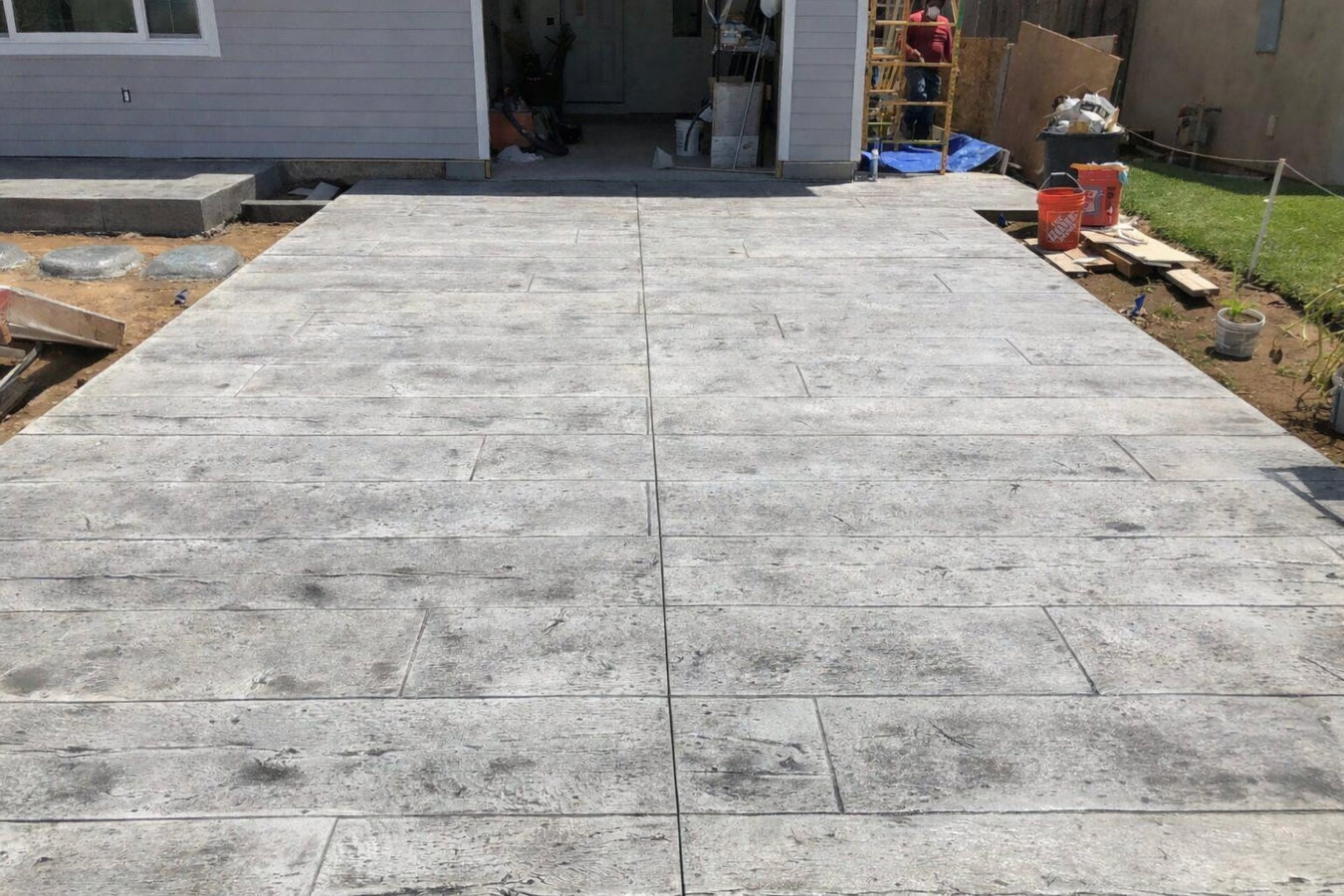
Cracked, faded concrete pulling down your home's curb appeal? Cambridge Concrete installs stamped surfaces built for New England freeze-thaw cycles, so the design still looks sharp after years of hard winters.
Stamped concrete in Cambridge is poured concrete textured and colored to resemble stone, brick, or slate before it fully sets - most residential projects take two to four days from pour to walkable surface. The result is a single solid surface that mimics higher-cost materials without the ongoing maintenance of individual pavers.
Many Cambridge homeowners choose stamped surfaces when they want their driveway, stamped concrete patio, or pool surround to match the character of an older home without the expense of natural stone. It works especially well in outdoor spaces where you want a polished look and durability against road salt and hard freezes. If your existing surface has cracked and shifted through too many winters, a fresh stamped installation with a quality sealer is a practical, long-lasting upgrade.
Considering a full outdoor refresh? Stamped driveways pair well with concrete sidewalk building to create a consistent look from the street to your front door.
If you have patched cracks before and they came back, the underlying structure has broken down. Cambridge's freeze-thaw cycles accelerate this - water gets in, freezes, and forces the cracks wider each winter. Repeated patching is a short-term fix on a long-term problem.
When the protective coating wears off, the concrete is exposed to road salt and moisture. In Cambridge, an unprotected surface deteriorates faster than it would in a milder climate. Replacement with a fresh sealer restores both appearance and protection.
A properly built surface drains away from your home. Puddles forming after rain mean the slope has settled or was never correct. Standing water accelerates freeze-thaw damage and makes the surface slippery in winter, compounding quickly in Cambridge's climate.
Many Cambridge homeowners update their kitchens or add rear additions and then notice the driveway or patio looks dated by comparison. A stamped concrete installation brings the outdoor surface up to the same level as the rest of the home at a fraction of the cost of natural stone.
Cambridge Concrete installs stamped concrete for the full range of outdoor surfaces where homeowners want a finished, polished look. Our most common projects are driveways, patios, front walkways, pool surrounds, and entry areas. Each project starts with a pattern and color selection - we bring samples to the site visit so you can see how options interact with your home's materials and your neighborhood's character.
For homeowners exploring decorative options beyond stamping, we also offer decorative concrete services including overlays, staining, and engraving - useful when the existing slab is structurally sound but needs a visual refresh without a full tear-out.
We handle permitting for every project that requires it. Cambridge requires permits for most concrete flatwork affecting grade or drainage, and for any work in the public right-of-way. We file the applications, coordinate with the city's inspectors, and build the permit timeline into your project schedule from the start.
Best for homeowners who want curb appeal and durability in one surface, with pattern options that complement older Cambridge homes.
Ideal for rear outdoor living areas where you want the look of stone or slate without the maintenance of individual pavers.
Well suited to front paths and entry areas where a polished, consistent finish ties the outdoor space together.
A practical choice for pool decks where a slip-resistant texture and clean look matter more than natural stone.
For existing stamped surfaces that are structurally sound but have lost their color or protective coating over several winters.
Cambridge averages more than 40 inches of snow per year and sees dozens of freeze-thaw cycles between November and March. That repeated movement - water freezing in small surface cracks and expanding - is the main reason outdoor concrete fails in this climate. The quality of the concrete mix and the sealer your contractor applies after curing matters more here than it would in a warmer part of the country. A contractor who cuts corners on either one will leave you with a surface that shows damage within a few winters.
Cambridge also has one of the oldest housing stocks in Massachusetts. Many properties have uneven ground, aging underground utilities close to the surface, and existing concrete that has settled significantly over decades. A thorough site visit before any quote is non-negotiable - conditions that look straightforward from the street often involve extra excavation or drainage corrections once work begins.
We regularly work in neighboring communities as well, including Somerville, Boston, and Newton. If your project is just outside Cambridge, call us to confirm service availability.
We respond within 1 business day and schedule a free on-site visit. Anyone who quotes a firm price without seeing the site is guessing - access, existing conditions, and what needs to come out first all affect the number.
After the site visit, you receive a written quote breaking out labor, materials, and any permit fees separately. We file for the required Cambridge permits before any work begins, so there are no compliance surprises mid-project.
The crew removes existing material, grades the base for drainage away from your home, and sets forms. On pour day, concrete is placed, stamped, and colored while still workable. Timing and temperature are watched carefully - Cambridge's spring and fall weather can be unpredictable.
The surface needs at least 24 to 48 hours before foot traffic and a week before vehicles. After full curing, we apply a protective sealer that locks in color and defends against road salt. We walk the finished project with you and leave the site tidy before wrapping up.
We respond within 1 business day. There is no obligation - submit your details and someone from our office will call to schedule a free on-site estimate. You will get a written quote before any work is agreed to.
(617) 613-7966We are registered with the Massachusetts Office of Consumer Affairs and Business Regulation as a Home Improvement Contractor. That registration is required by state law for residential work above a set dollar threshold and protects you in the event of a dispute. You can verify our registration status on the state's online directory.
We use concrete mixes specified for New England conditions - air-entrained to handle repeated freezing and thawing without surface damage. This is not a standard practice across all contractors; it is a specific choice that adds to the durability of every job we complete in Cambridge.
Cambridge's permitting process for concrete work can add a week or two to a project timeline. We file every required application before work begins and manage the inspection process. The permit cost is broken out in your written estimate - there are no after-the-fact surprises on paperwork.
Cambridge Concrete operates across 12 communities in Massachusetts, Rhode Island, and New Hampshire. We carry full liability insurance on every job, and we maintain the staffing to offer same-week scheduling on straightforward residential projects during our open season.
The Massachusetts Office of Consumer Affairs and Business Regulation maintains a public directory of licensed Home Improvement Contractors. Checking any contractor's registration before you sign is a straightforward step that protects you. Beyond licensing, what matters is local experience - Cambridge's dense lots, aging infrastructure, and specific permitting requirements are details you want a contractor who has dealt with many times before.
Extend your stamped aesthetic to front walks and paths with matching finishes and consistent control joint spacing.
Learn moreExplore overlays, staining, and engraving options that refresh existing surfaces without a full tear-out.
Learn moreCall (617) 613-7966 or submit the form above - we respond within 1 business day and can schedule your on-site visit as soon as this week.