
Concrete driveway building
Full driveway replacement after damaged sections have been cut out and removed on Cambridge residential properties.
Learn moreServing Cambridge, MA and surrounding areas. (617) 613-7966
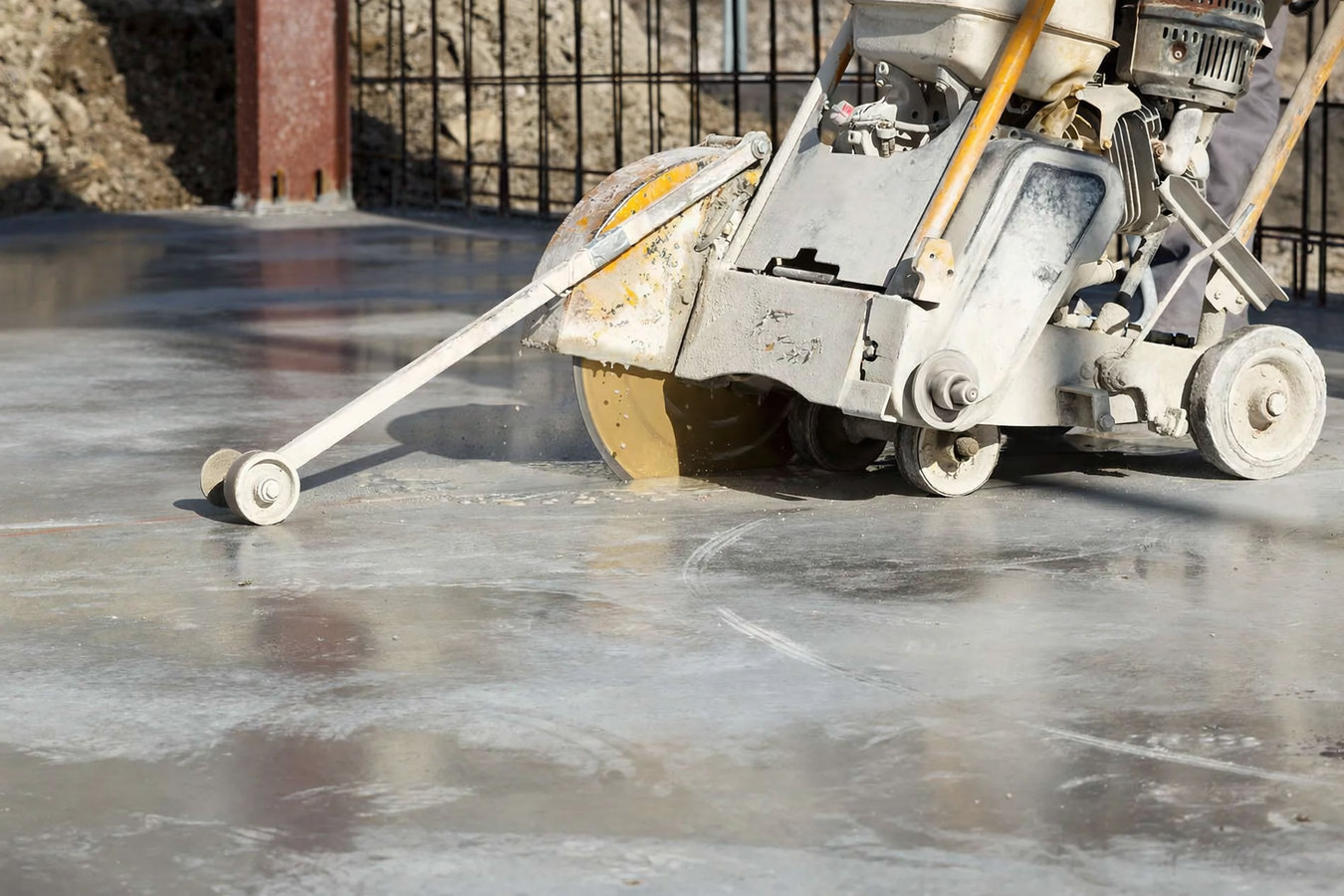
Need a wall opening cut, a damaged driveway section removed, or a trench for basement drainage? We use diamond-blade saws and wet cutting on every job - clean edges, no mess left behind.
Concrete cutting in Cambridge, MA uses diamond-tipped blades to make clean, straight cuts through slabs, foundation walls, and basement floors - creating openings for drains, plumbing, egress windows, and utility lines, or removing damaged driveway sections so a proper patch can bond; most standard residential cuts take two to four hours on the day of work, with permit lead time adding one to two weeks for structural projects.
The need for concrete cutting in Cambridge comes up most often in spring, when the winter's freeze-thaw damage becomes visible in driveways and basement floors. It also comes up whenever a homeowner wants to add plumbing below the existing floor level, create a new egress window in a foundation wall, or repair a section of concrete that has heaved or separated. Cambridge's older homes are more prone to all of these situations - concrete that was poured before 1950 has had more winters to contend with, and the clay soils underneath it have had more time to shift.
Concrete cutting is often the first step in a larger project. If you are removing a damaged driveway section, our concrete driveway building service handles the replacement. For larger commercial or multi-unit surfaces, our concrete parking lot building page covers section removal and full-surface replacement.
If a crack in your driveway, patio, or basement floor looks noticeably wider or longer than it did last fall, Cambridge's winter freeze-thaw cycle has likely been at work. Concrete cutting is often the first step in a correct repair - the damaged section is cut out cleanly so a fresh patch bonds properly rather than sitting on top of a crumbling edge.
If water is finding its way into your basement, cutting a perimeter trench in the floor to install an interior drainage channel is a common and proven fix. This is especially relevant in lower-lying Cambridge neighborhoods near the Charles River or Alewife Brook, where high groundwater is a known condition. Wet spots, efflorescence on walls, or standing water after heavy rain are all reasons to have a contractor assess the situation.
Any time you want to add a basement bathroom, floor drain, or new utility line below the existing floor level, the concrete needs to be cut to access the pipes underneath. If your contractor has not mentioned concrete cutting as part of a basement finishing project, ask whether it is needed - it almost certainly is.
In Cambridge, freeze-thaw cycles and tree root growth both cause driveway sections to lift, tilt, or pull away from the curb. When a section has moved significantly, the right repair is to cut it out cleanly and replace it - not to patch over the top. If you can see a gap between your driveway and the street, or a section that rocks underfoot, concrete cutting is likely part of the solution.
Cambridge Concrete performs flat slab cutting, wall cutting, and core drilling for residential properties across Cambridge and surrounding communities. Every job starts with an in-person site visit - we assess the concrete thickness, check for reinforcing steel, and evaluate access before giving a written estimate. In Cambridge's older homes, concrete thickness and composition vary significantly from building to building, and a real estimate cannot be made without seeing the job in person.
When concrete cutting is part of a driveway repair, our concrete driveway building service handles the full replacement from cut to finish. For larger commercial surfaces - a parking lot section that needs to come out - our concrete parking lot building service covers removal and repour on the same mobilization.
The Concrete Sawing and Drilling Association sets the industry standard for professional concrete cutting techniques, dust control, and blade selection. We follow those standards on every project. Dust management is required by OSHA's silica standard for construction work, and we use wet cutting on every residential job to protect both your home and the crew.
Best for driveways, patios, basement floors, and sidewalk sections that need to be removed or opened for plumbing and drainage work.
Used to create new doorways, egress window openings, or utility penetrations in foundation walls and concrete block construction.
Cambridge winters are consistently hard on concrete. Temperatures drop below freezing regularly from December through March, and repeated freeze-thaw cycles cause concrete to expand and contract until cracks open up and sections start to move. Many homeowners discover the winter's damage in March and April when the snow melts - which is also when contractors get their busiest, so scheduling early in the season or the prior fall makes a real difference. The concrete in Cambridge's older homes is often thicker and harder than modern pours, which means cutting takes longer and wears through blades faster.
Cambridge's dense urban lots add a practical challenge. Many properties have narrow side yards, shared driveways, or limited street access for equipment staging. This is especially true in Cambridgeport, East Cambridge, and the blocks around Central Square. A contractor who has worked in Cambridge knows how to handle tight access - smaller hand-held saws instead of walk-behind equipment when clearance requires it, and advance coordination about parking on the day of work. Homeowners in nearby Somerville and Boston face the same dense-lot challenges, and we handle concrete cutting in those communities regularly.
Parts of Cambridge near the Charles River and Alewife Brook sit on clay-heavy soils that retain moisture and shift seasonally. Basement floors in these neighborhoods are often under more hydrostatic pressure than in drier parts of the city, which makes interior drainage cutting - trenching the perimeter of the basement floor to install a drainage channel - a common request. Homeowners across Cambridge have been dealing with this condition for decades, and we know how to cut for drainage in these conditions without compromising the surrounding slab.
We respond within 1 business day. Describe what you are trying to accomplish - not the technical details, just the outcome: a new basement bathroom, a cracked driveway section that needs to come out, a wall opening. We will ask about the age of the home, the size of the space, and access to the work area.
Most concrete cutting jobs require a site visit before a real price can be given. We assess the thickness of the concrete, check for reinforcing steel inside the slab or wall, and evaluate equipment access. You receive a written estimate that breaks down the full scope - be cautious of any contractor who quotes a firm price over the phone without seeing the job.
If your project requires a permit - common for foundation cuts, new wall openings, or plumbing-related work - we handle the permit application through Cambridge Inspectional Services before work begins. In Cambridge, permit review can add one to two weeks to the timeline. Once the permit is in hand, we lock in your work date.
The cutting typically takes a few hours for a standard residential job. We lay plastic sheeting to protect nearby surfaces, use wet cutting throughout, and clean up the slurry completely before leaving. If a permit was pulled, a city inspector signs off on the completed work - we coordinate that visit and provide you with documentation at closeout.
We give you a written estimate after seeing the job in person - no phone quotes, no surprises, complete site cleanup when we leave.
(617) 613-7966OSHA requires dust controls for concrete cutting because silica dust is a real health hazard. We use water-cooled diamond-blade cutting on every residential job, which captures the fine dust before it spreads through your home or onto neighboring properties in Cambridge's closely built neighborhoods.
If your project requires a permit through the Cambridge Inspectional Services Department, we handle the application, track the review, coordinate the inspector's visit, and deliver closed-permit documentation to you. That paper trail is what protects you at resale, refinance, or insurance review.
Cambridge's older foundations and basement floors were often poured in multiple stages or with materials that vary significantly from block to block. We assess what is in front of us before setting blade speed and cut depth - older, harder concrete requires a different approach than modern slabs, and we do not treat them the same.
Wet cutting produces a gritty slurry that spreads if it is not managed. We protect nearby surfaces with sheeting before the first cut and remove all slurry completely before we leave. In a city where homes sit close together and neighbors notice everything, leaving the site clean is not optional.
Concrete cutting in Cambridge is not complicated, but it does require the right equipment, proper dust control, and familiarity with the city's permit process. We have been doing this work in Cambridge since 2022. You can verify our contractor registration through the Massachusetts Office of Consumer Affairs and Business Regulation contractor lookup - it takes two minutes and confirms we are in good standing with the state.
Full driveway replacement after damaged sections have been cut out and removed on Cambridge residential properties.
Learn moreCommercial and multi-unit parking surface construction and repair, including section removal and replacement on Cambridge lots.
Learn moreCambridge's freeze-thaw damage shows up in March and April, and schedules fill fast. Call or reach out today and we will get you a site visit within 1 business day.