Garage floor concrete
Upgrade your garage slab with the same structural approach we use on sidewalks, including proper thickness and control joints.
Learn moreServing Cambridge, MA and surrounding areas. (617) 613-7966
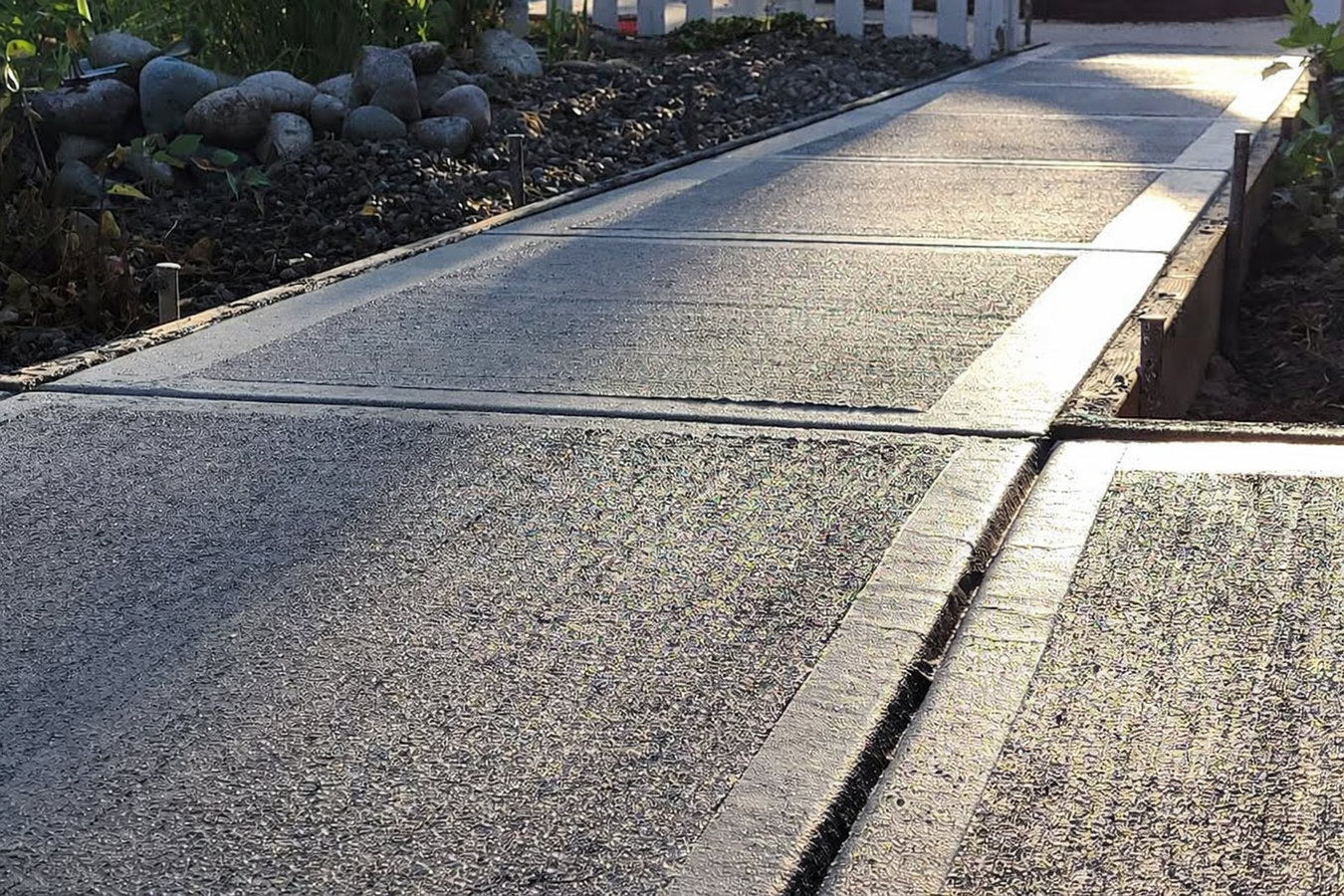
Cracked, heaved sidewalk creating a trip hazard in front of your home? Cambridge Concrete builds replacement sidewalks with the right mix, thickness, and control joints to hold up through decades of New England winters.
Concrete sidewalk building in Cambridge means removing the existing surface, preparing a stable compacted base, and pouring fresh concrete that hardens into a durable walking path - most residential jobs take one to three days on-site, with about a week for the concrete to reach full strength.
Cambridge's freeze-thaw winters are the single biggest threat to sidewalk concrete. Without proper control joints, the right concrete mix, and a quality sealer, even a well-built slab will start cracking within a few seasons. Homeowners here often inherit sidewalks that were poured decades ago without adequate joint spacing or the salt-resistant mixes now standard in the industry. When sections start heaving, tilting, or crumbling, replacement is usually more cost-effective than continued patching.
If your property also has a deteriorating driveway, a concrete driveway building project can be scoped alongside sidewalk work for a consistent finish from the street to your garage.
If you have filled cracks before and they returned, the underlying structure has broken down. Cambridge's freeze-thaw cycles accelerate this - water gets into the crack, freezes, and forces it wider each winter. Patching over structural damage buys time but does not fix the cause.
When individual slabs rise or sink unevenly, they create trip hazards and signal that the ground underneath has moved. In Cambridge, this often happens near mature street trees or in areas where the soil has settled over decades. A public-facing trip hazard can also create liability for the homeowner.
If the concrete surface is breaking away in thin chips - a process called spalling - it has been damaged by salt or moisture over many winters. Spalling spreads quickly once it starts and makes the surface increasingly unsafe, especially when wet.
A properly built sidewalk is slightly sloped so water drains off. Puddles forming after rain mean the slope has settled or was never correct. Standing water accelerates freeze-thaw damage and creates icy spots in winter, both problems that compound quickly in Cambridge.
Cambridge Concrete handles the full range of residential sidewalk work: front walkways, side paths, rear garden paths, and the driveway apron where your property meets the street. Every project includes demolition of the existing surface, base preparation, the pour, control joint cutting, and sealing after curing. The sealer is not an optional add-on - in a climate like Cambridge's, it is part of what makes the surface last.
For homeowners who want a more finished look on a front walkway, we also offer garage floor concrete work with the same structural standards - useful when the driveway and garage slab both need attention in the same project cycle. We match thickness, joint spacing, and concrete mix specifications across all poured surfaces on a given property.
Cambridge requires permits for any sidewalk work in the public right-of-way, and we file every required application before work begins. We also stay current on the city's accessibility requirements for slope and width on sidewalks that connect to public streets - as detailed by the U.S. Access Board.
For sections that have deteriorated beyond patching - remove, grade, pour, joint, and seal.
New walkways from the street or driveway to the front door, built to the right width, slope, and thickness.
The connection point between your driveway and the street, built to city standards and permit requirements.
Utility paths, garden walkways, and side-yard access that hold up under regular foot traffic and seasonal freeze cycles.
For properties where one or two slabs have shifted or failed but the rest of the walk is structurally sound.
Cambridge typically sees 30 or more freeze-thaw cycles each winter. Water seeps into tiny cracks, freezes, expands, and forces those cracks wider, destroying poorly built sidewalks within a few seasons. That means control joint spacing, concrete thickness, mix design, and sealing are not optional considerations here. They are the difference between a sidewalk that lasts 30 years and one that needs replacing in five.
Cambridge's older housing stock adds another layer of complexity. Much of the residential housing was built between the 1880s and the 1950s, and many properties still have original bluestone, brick, or early concrete sidewalks. These materials take more time and equipment to remove than a modern concrete slab, and disposal costs reflect that. Dense lots, mature street trees with aggressive root systems, and narrow staging areas all affect how jobs are planned and priced. We assess every one of these factors during the site visit before a number goes on paper.
We serve homeowners throughout the area, including Somerville, Cambridge, and Boston. Call us to confirm availability for projects just outside our primary service area.
We respond within 1 business day. We do not quote concrete jobs over the phone without seeing the site - access, what needs to come out, and existing soil conditions all affect the real number. The site visit is free and takes about 20 minutes.
After the visit, you receive a written quote breaking out demolition, disposal, the pour, sealing, and any permit fees separately. For work near the street, we file the required Cambridge permit before any work begins - permit costs are included in your quote upfront.
The crew removes the existing surface, grades the base for drainage away from your home, and pours the concrete into forms. Control joints are cut during finishing to prevent random cracking. The pour and finishing usually take a single day of active work.
Stay off the surface for 24 to 48 hours; plan for a week before heavy loads. After full curing, we apply a penetrating sealer to protect against road salt and moisture. We walk the finished work with you before we leave and explain what maintenance to expect over the coming years.
We respond within 1 business day. There is no obligation - submit your details and someone from our office will call to schedule a free on-site visit. You get a written estimate before any work is agreed to.
(617) 613-7966Cambridge streets are heavily salted during winter storms, and that salt migrates onto adjacent sidewalks. We use concrete mixes with air-entrainment and salt-resistance specifications standard in every residential pour - not as an upgrade. This is the single most important thing that separates a sidewalk that holds up for 30 years from one that starts spalling within five.
Cambridge's permitting requirements for right-of-way work are specific, and the review timeline varies by project scope. We have filed for sidewalk permits through the city many times and know what inspectors look for at every stage. Permit fees are broken out in your written estimate so there are no surprises after the fact.
A sidewalk poured too thin will crack under normal foot traffic within a few years in a freeze-thaw climate. We pour residential sidewalks at a minimum of four inches, and any section that a vehicle might cross at six inches or more. This is a concrete specification that is worth asking about when you compare quotes.
Cambridge Concrete serves 12 communities across Massachusetts, Rhode Island, and New Hampshire. We carry full liability coverage on every job and can typically schedule residential sidewalk projects within the week for straightforward jobs during our open season from late spring through early fall.
The City of Cambridge Traffic, Parking and Transportation Department oversees permits for sidewalk work in the public right-of-way. Knowing how to navigate that process, what the city inspects, and how to build permit timelines into a project schedule is practical experience that only comes from working in this city regularly. That local familiarity is part of what you are paying for when you hire a Cambridge-based contractor.
Upgrade your garage slab with the same structural approach we use on sidewalks, including proper thickness and control joints.
Learn morePair a new sidewalk with a full driveway replacement for a consistent finish from the street to your garage.
Learn moreCall (617) 613-7966 or submit the form above. We respond within 1 business day and can schedule your on-site visit as soon as this week - before the project window closes for the season.